
Top 5 Strategies for Leading Teams in Australia Using Strength-Based Approach
Kintsugi Leadership can TRANSFORM the Workplace.
Imagine a world where chipped mugs are discarded and every minor mistake is a potential career setback, where imperfections are swiftly dismissed. It’s a harsh reality, isn’t it? Fortunately, our workplaces can operate differently. This is where the transformative philosophy of Kintsugi Leadership steps in.
Now, let me ask you:
Is Kintsugi Leadership fixated on immediate perfection?
Does Kintsugi Leadership find beauty in growth amidst challenges?
Inspired by the Japanese art form of Kintsugi, where broken pottery is repaired with precious metals like gold, Kintsugi Leadership embodies the belief that imperfections and challenges are not just flaws to be hidden, but opportunities for transformation and growth.
“We always work towards perfection but this one is about an Attitude towards Imperfection!”

The Power of Imperfection
Consider your favourite leader. Is their journey flawless? Probably not. Like beautifully repaired Kintsugi pottery, great leaders bear the marks of their experiences. These “cracks” symbolise moments of learning, overcoming adversity, and ultimately, growing stronger.
Kintsugi Leadership embodies resilience. But what is resilience? It’s accepting what is and facing challenges head-on with awareness, an open heart, and an open mind.
Repairing broken cracks is ancient Japanese philosophy.
Kintsugi teaches you that attitude towards the act of repairing the imperfection.
Here’s how Kintsugi Leadership can transform your workplace:
Kintsugi Leadership is a strengths-based approach to leadership development, emphasising the importance of raising awareness of one’s strengths and weaknesses to lead with empathy and kindness.
Building Resilience: Kintsugi leaders cultivate a culture where mistakes are viewed as valuable learning opportunities. This empowers employees to take calculated risks and bounce back from setbacks, fostering a resilient and adaptable team.
Fostering Authenticity: Pretending to be perfect is draining. Kintsugi Leadership promotes authenticity, encouraging leaders to acknowledge their strengths and weaknesses openly. This vulnerability builds trust and inspires employees to do the same.
Celebrating Growth: Unlike solely focusing on results, Kintsugi celebrates the journey of growth. Leaders recognise and applaud effort, learning, and the process of overcoming challenges, not just the end goal.
Read the Power of Our Thoughts & Dreams
We’re all different, but together we create a better workplace. Embrace your strengths & flaws! Click to go to Satori Connect Community Page.

In Kintsugi Leadership, we embrace our imperfections to make a stronger workplace.
Implementing Kintsugi Leadership
So, how can we apply this beautiful art form to practical leadership strategies? Here are some actionable steps:
Normalise Mistakes: Foster a culture where past failures are openly discussed as opportunities for growth. Encourage employees to share their experiences, creating a safe space for learning and development.
Focus on Progress: Instead of fixating on shortcomings, celebrate progress and incremental improvements. Recognise and appreciate the effort, even if the desired outcome wasn’t fully achieved.
Embrace Feedback: Treat feedback as a valuable gift, an opportunity to learn and improve. Encourage a culture where constructive feedback is welcomed and valued, both giving and receiving.
Lead by Example: Lead with vulnerability and a willingness to learn. Don’t hesitate to admit mistakes; demonstrate how to learn from them and move forward with resilience.
Share Your Journey: Be transparent about your own stories of failure and growth. Let your team know that making mistakes is part of the learning process and that it’s okay to stumble as long as we learn and grow from our experiences. Let them know what you love to do.
Create a Safe Space: Cultivate an environment where team members feel comfortable expressing their vulnerabilities. This fosters trust and openness, encouraging innovative solutions and strengthening team bonds.
Lead with Empathy: Recognise that everyone faces their battles and challenges. Lead with empathy, offering support and encouragement instead of judgment. By understanding and empathising with your team members, you can foster a more supportive and inclusive workplace culture.
The Takeaway
Kintsugi Leadership is not about lowering standards; it’s about recognising that growth and strength often emerge from overcoming challenges.
By embracing imperfection, fostering a growth mindset, and celebrating the journey, you can cultivate a more resilient, innovative, and ultimately successful workplace.
At Satori Connect, we aim to instill the Satori Attitude, transforming workplaces into hubs of career, finance, health, social, and community well-being. Our approach draws inspiration from Kintsugi.

While no one is perfect, working together allows us to achieve great things.
Ready to embrace the beauty of imperfection and lead your team to greater heights? Start incorporating Kintsugi Leadership principles today!
We’re all different, but together we create a better workplace. Embrace your strengths & flaws! Click to go to Satori Connect Community Page.
Reviewing Your Talent Strategy
Once your current workforce is optimised, it’s time to assess your broader talent strategy. This involves identifying any remaining gaps in skills or strengths that are essential for achieving your organisation’s objectives. However, instead of immediately resorting to recruitment, consider how existing employees might grow into these roles. By leveraging internal talent, you can often meet your needs without the time and expense associated with hiring and onboarding new staff. Learn more about refining your talent strategy through our Essential Tips for Facilitating CliftonStrengths Workshops.
Recruitment as a Last Resort
When recruitment is necessary, it should be the final step in your strategy, not the first. By optimizing your current workforce first, you reduce the need for external hires, saving significant resources.
If new talent is required, recruitment efforts should be highly targeted to find candidates whose strengths complement those of your existing team. This strategic approach ensures that new hires will integrate smoothly into your organisation’s strengths-based culture, contributing effectively from day one.

Attracting the Right Talent
A strengths-based culture also involves attracting the right talent from the start. During the recruitment process, it’s essential to identify candidates who not only have the skills for the job but also possess strengths that align with your company’s mission and values.
Onboarding with Strengths in Mind
Once you’ve attracted the right talent, the onboarding process should emphasise the importance of strengths. New hires should take the CliftonStrengths assessment and have an initial strengths-based conversation with their manager. This helps new employees understand how they can immediately start contributing in ways that align with their strengths.
PS CliftonStrengths Assessment is a great tool to understand what you are actually good at. The market price of Top 5 strengths is $24 but if you buy through us you will get a discount of $2.
Developing Strengths Through Ongoing Training
After onboarding, strengths-based development should be an ongoing focus. Regular strength-based workshops and coaching sessions ensure that employees continue to grow and develop in areas where they are naturally talented. Managers should incorporate strengths-based discussions into regular performance reviews and team meetings.
Engaging and Retaining Employees
A strengths-based culture is key to employee engagement and retention. By consistently recognizing and leveraging employees’ strengths, organisations can create a more fulfilling work environment. This leads to higher job satisfaction, stronger commitment, and lower turnover rates. Engaged employees are also more likely to become advocates for the company, enhancing your employer’s brand.
Supporting Career Progression
Career development in a strengths-based culture focuses on helping employees advance in roles that align with their strengths. Rather than promoting employees based on traditional metrics alone, consider how their strengths can be applied in leadership positions or specialised roles. This ensures that employees are not only capable of succeeding in new roles but are also likely to find those roles fulfilling.
Departing with Dignity
Even when employees leave the organisation, a strengths-based approach can make a significant impact. Exit interviews should focus on what worked well in terms of strengths utilisation and what could have been improved. This feedback can help refine your strengths-based strategies and ensure that departing employees leave on positive terms, potentially becoming advocates for your organisation in the future.
Meet Khanh Vu: Your Expert Facilitator
When it comes to cliftonstrengths, Strengths development sessions & strengths-based workshops, having a skilled and experienced facilitator is crucial for success. Khanh Vu, a dedicated professional in the talent domain for the past 24 years, is one of the most respected voices in strengths-based development and how to apply this approach to your overall talent strategy and employee experience.
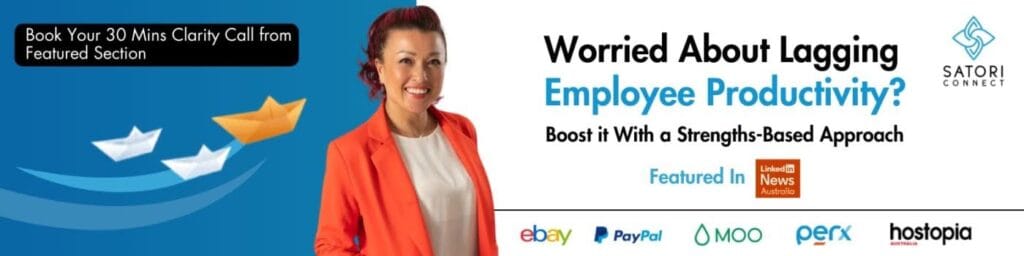
Certified as a Gallup Strengths coach and facilitator since 2014, Khanh has helped countless individuals and organisations unlock their potential by focusing on their strengths. She also has a YouTube channel where she helps others with demystifying the CliftonStrengths themes. Check that out and subscribe to show support!
Khanh’s deep expertise and passion for strengths-based development are reflected in the transformative experiences she provides during her workshops. Her approach is not just about identifying strengths but also about applying them in meaningful ways to drive real business outcomes.
What our CLIENTS say about us?
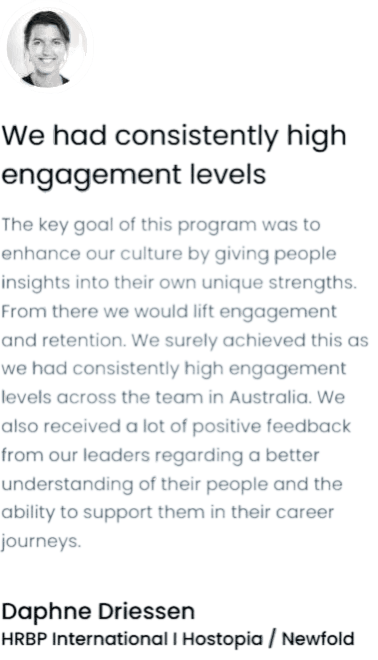
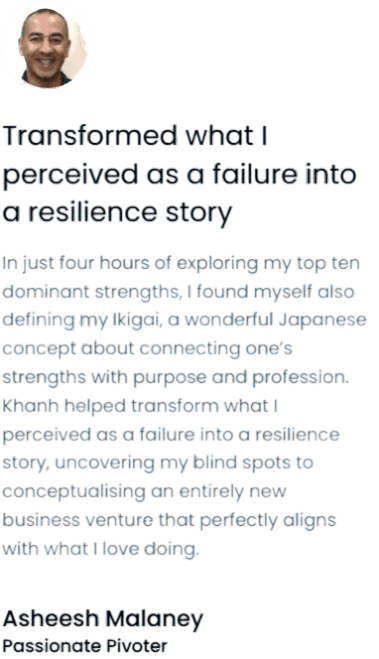
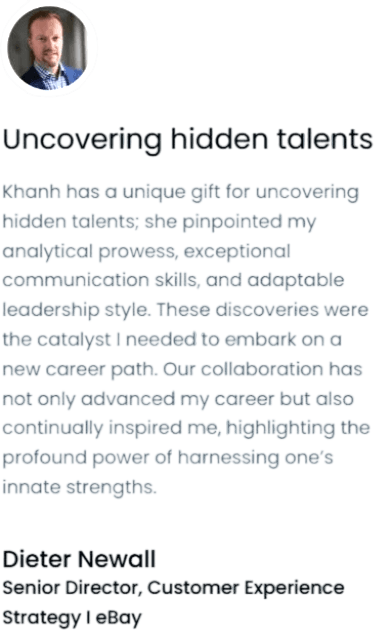
Success Stories: How Companies Flourish with Strengths-Based Workshops


2024 Satori Connect. All rights reserved.
Privacy Policy | Cookies | Terms of Services